 Appointment Lookup
 213-596-2538
Find out how long microwave ovens last and what you can do to keep your microwave lasting longer.
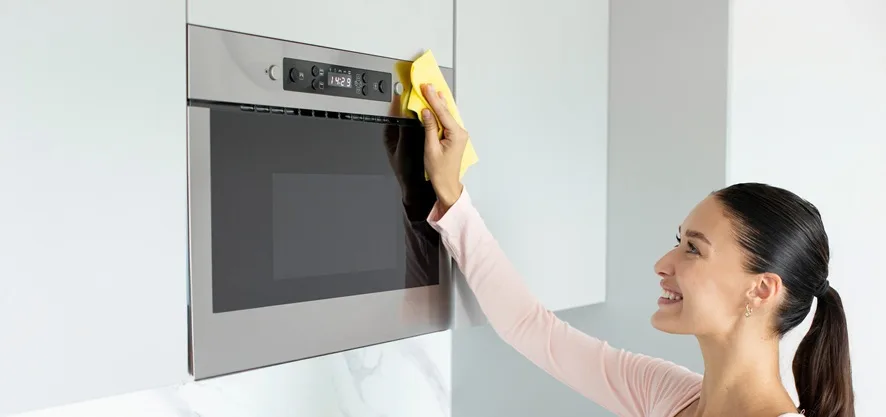
Looking to know how can you clean a microwave and keep it running optimally? Welcome to our 5 microwave cleaning tips, courtesy of Sears Home Services. We'll guide you on how to effectively eliminate stubborn food stains, grease, and grime, and maintain your microwave's performance. Let's discover these simple yet effective cleaning procedures.
KEY TAKEAWAYS

Wondering how you can clean a microwave for optimal performance?
Start cleaning from the inside using one of these clever and effective hacks.
Mix equal parts of distilled white vinegar and water in a microwave-safe bowl. Heat the solution by microwaving it for about 5 minutes. The steam from the mixture will loosen any stuck-on food or stains. Remove the bowl (be careful, it's hot) and wipe down the interior with a solution of dish soap and water. Next, wipe off dish soap residue using a damp cloth and dry the interior with a paper towel.
You can use lemon juice and water in the same manner. Squeeze a lemon into a microwave-safe container and add a cup of water. Microwave this mixture for about 3 minutes. The lemon's acidity will cut through grease and grime to deep clean the interior. Let the bowl sit inside for a few minutes before wiping the inside clean using a damp sponge.
When cleaning inside of the microwave, don’t forget to thoroughly wipe down the inside of the microwave door. Also, hand wash the microwave turntable tray and rinse it with clean water. Dry the turntable tray completely before reinstalling it in the microwave.
Repeat these simple steps as needed to clean buildup, deodorize and disinfect the inside of a microwave.

Create a paste with a couple of tablespoons of baking soda and warm water. Apply this to any stubborn spots and smudges inside your microwave. Leave it for a few minutes, then scrub off gently. Rinse thoroughly to avoid leaving any residue.
Using baking soda in this cleaning method helps you avoid harsh cleaners that can damage the microwave’s interior. To avoid stubborn spots and stains inside your microwave, clean splattered food residue after each use and cover food with a microwave splatter cover to help keep the microwave cavity clean.

Sometimes placing aluminum foil close to the sides inside your microwave, or using your microwave rack incorrectly, can create an electric spark in your microwave cavity, burning the inside of the unit.
This video shows you an easy way you can repair these types of burns using microwave touch-up paint:
To avoid arc and burn marks inside your microwave:
Cleaning and avoiding arc and burn marks will help you keep your microwave in top shape and looking great.

Clean the outside of the microwave with warm water and a couple of tablespoons of vinegar added. If necessary, use a degreaser on an over-the-range microwave to clean off heavy grease deposits. Don’t forget to clean the bottom of the microwave and light covers on an over-the-range model.
If you have a stainless steel microwave, use stainless steel appliance cleaner to polish the outside surfaces. Learn more about cleaning stainless steel appliance surfaces by watching this Stainless Steel Appliance Cleaning video.
Keeping the outside of your microwave clean will greatly improve the look of your kitchen.
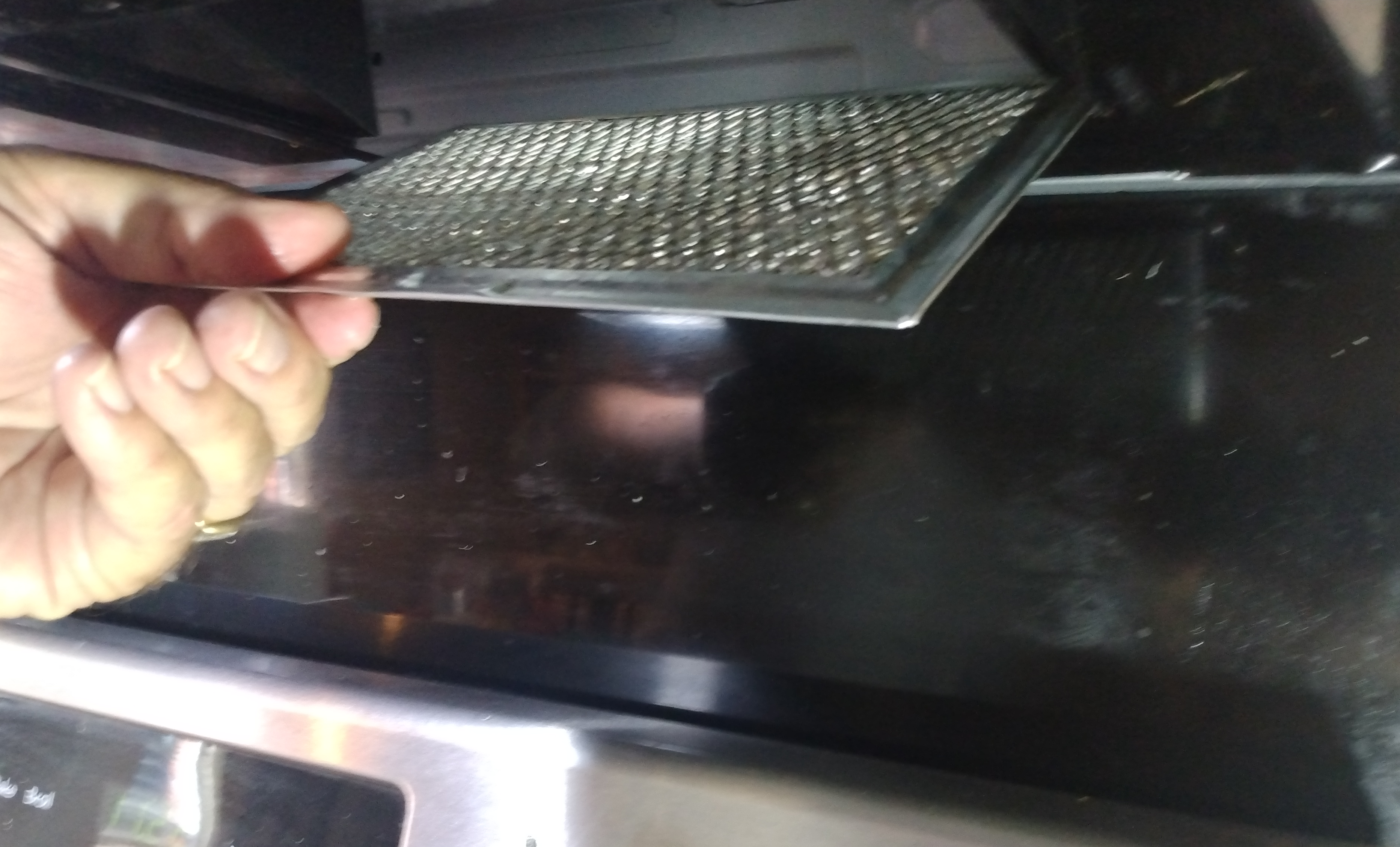
For an over-the-range microwave, cleaning the grease filters is essential to kitchen safety and smooth microwave operation.
Follow the steps shown in the microwave’s manual to remove the grease filters. Soak the microwave filters in hot, soapy water in the kitchen sink for 15 minutes to help remove grease. Rinse the filters off with hot water and dry them fully before reinstalling them in the microwave.
Carefully check the vent damper on the outside of your home. Wasps love to take up residence in this area. Check the damper for blockage by a wasp nest or other obstructions and clean out the vent cover. Make sure the vent damper opens and closes smoothly. Lubricate the vent damper hinges with silicone spray if necessary.
Ensuring the that vent damper works and the grease filters are clean will help the microwave hood clear smoke and cooking fumes out of your kitchen.
By following these 5 microwave cleaning tips and additional expert advice, you're on your way to a well-maintained microwave that delivers delicious food and helps keep your kitchen safe.
Loading scheduler options...
Find out how long microwave ovens last and what you can do to keep your microwave lasting longer.

Learn how a microwave works and discover the science behind it. Find out how microwaves heat your food quickly and efficiently.

Discover the answer to the question, 'Is a microwave safe?' with Sears Home Services. Learn about microwave safety and find the right appliances for your home.
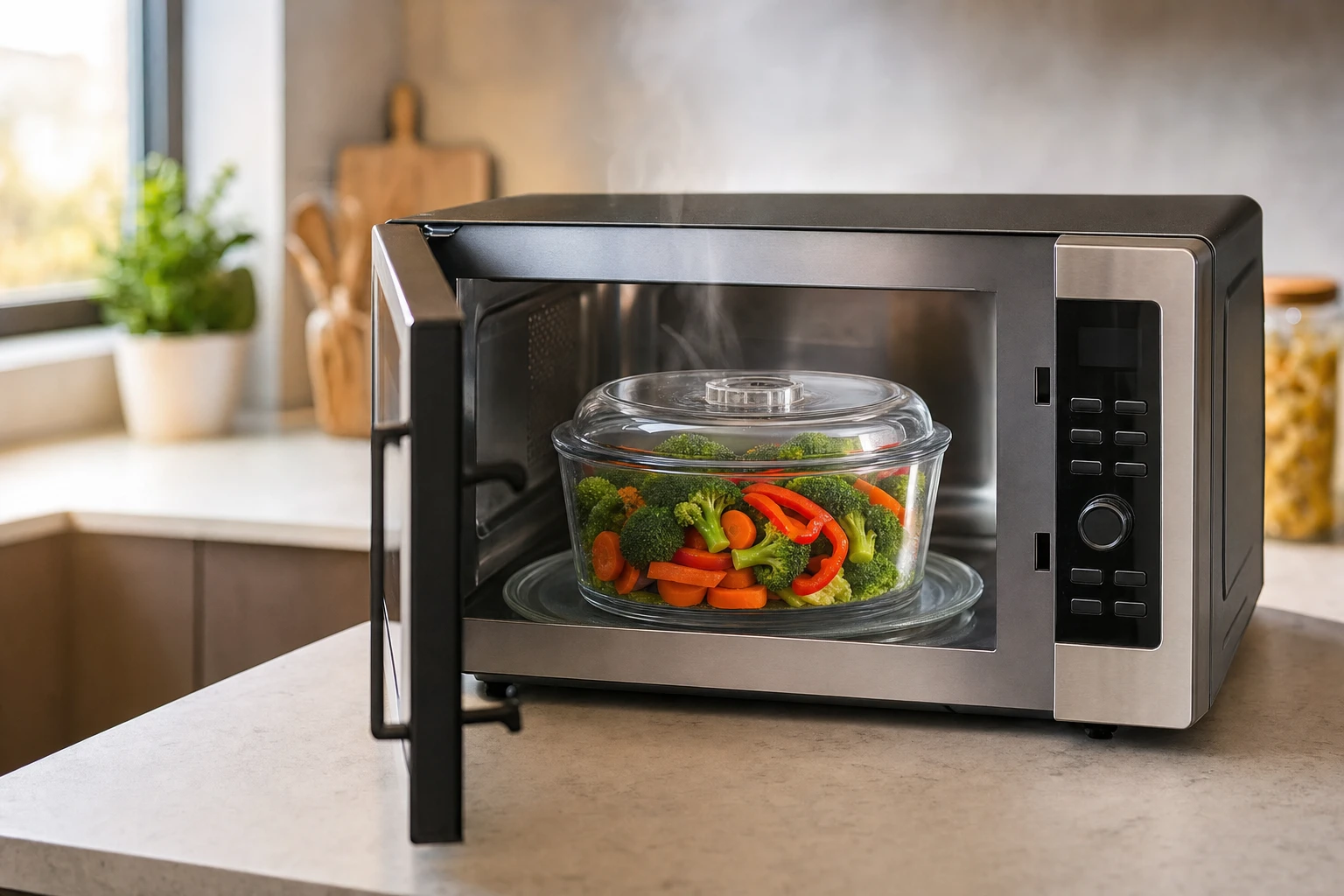
What is a microwave steamer? Learn how it works, what foods it cooks best, safety tips, and how to avoid damaging your built-in microwave.
A microwave waveguide cover is a small, often mica or plastic piece inside the microwave that covers the opening where microwaves enter the cooking chamber, protecting the microwave's internal components from food splatter and ensuring efficient distribution of the microwaves.
A microwave diode is an electrical component that allows current to flow in one direction only, playing a crucial role in converting incoming electrical power into the microwave energy that cooks the food.
A microwave sensor is a technologically advanced feature in modern microwave ovens that measures vapor (steam) emitted by the food, adjusting the cooking time and power levels automatically for optimal results.
A microwave magnetron is a component in microwave ovens that generates the microwaves used to cook food.
The most common reasons a Whirlpool microwave light won't turn on are a defective control panel, a burned out light bulb, or a malfunctioning PCB.
The most common reasons your Kenmore Elite microwave has no power are a bad thermostat, malfunctioning electronic control board or a broken switch.
The most common reasons your Whirlpool microwave is not working are a bad thermostat, malfunctioning electronic control board or a broken switch.
The most common reasons your Samsung microwave is not turning on are a bad thermostat, malfunctioning electronic control board or an inoperative power supply board.
The most common reasons your Samsung microwave won't close are a warped door assembly, a broken door latch, or a bent door hinge.
The most common reasons your Frigidaire microwave stopped working are a malfunctioning electronic control board, bad thermostat or a broken switch.