 Appointment Lookup
 213-596-2538

Is it worth repairing a freezer? Explore the pros and cons and make the right choice for your budget with Sears Home Services.
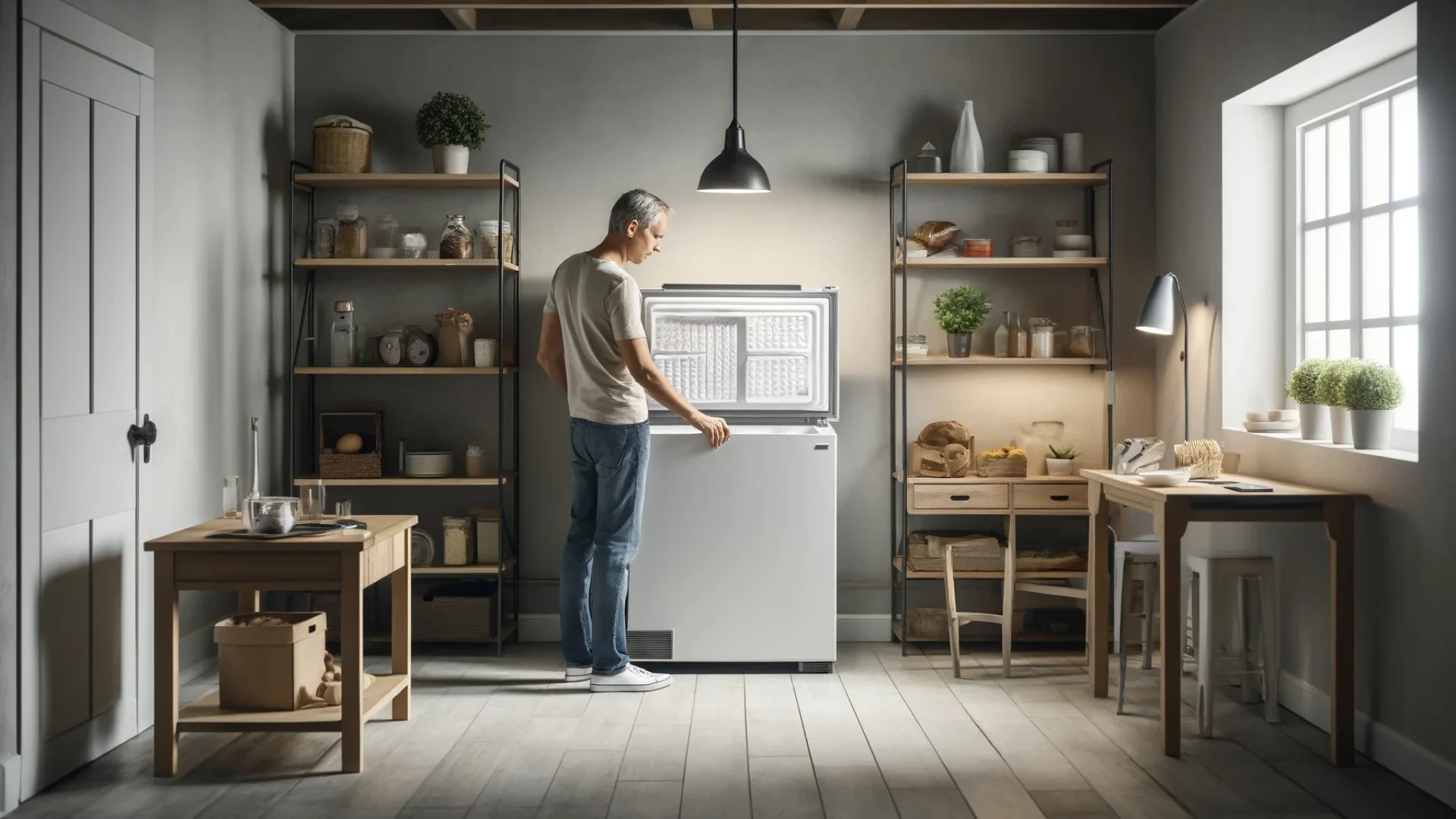
Tired of chipping away at the mini glacier forming at the bottom of your freezer? Ice buildup is a common issue that eats up space while reducing your appliance's efficiency. Pinpointing why your freezer is icing up is the first step in stopping and removing the buildup. From there, practical tactics can help prevent future buildup. It's also important to identify and fix any underlying freezer issues contributing to the frost. By adopting simple habits, you can maintain a frost-free freezer and optimize its performance.
KEY TAKEAWAYS
Decoding the causes of ice buildup in your freezer is important to finding a lasting solution. Several factors can lead to unwanted frost, from environmental conditions to the way the appliance is maintained. By getting to the root of these issues, you can apply effective strategies to reduce and prevent ice formation.
Temperature fluctuations commonly cause ice buildup in freezers. A stable temperature prevents the air's moisture from freezing. To manage this:
Proper airflow is needed to keep your freezer running efficiently without ice buildup. If the ventilation is compromised, ice can easily form. To maintain good airflow:
If you continue to encounter ice issues despite these adjustments, there might be a deeper mechanical problem. Seeking professional help will get your freezer operating again, without recurrent frost concerns.
Removing ice from your freezer and preventing its return are key to maintaining your appliance's efficiency. By tackling the issue systematically, you can ensure smoother operation and prolong the life of your freezer.
The first step in dealing with ice is to safely remove it without causing damage to your freezer. Follow these steps to effectively and safely de-ice your freezer:
Once the ice is removed, a thorough cleaning not only freshens up your freezer but also helps in preventing future ice issues. Here's how to clean and reset:
Proper maintenance and storage practices can significantly reduce the likelihood of ice reforming:
If ice persists even after taking these measures, it may be time to consult with professional technicians who can diagnose and resolve underlying issues that might be causing excessive frost.
Understanding common freezer problems and how to address them is crucial for maintaining your appliance's longevity and efficiency. Here are some issues that can lead to ice buildup, along with strategies for troubleshooting and when to call in experts.
A malfunctioning defrost system often leads to excessive ice formation. Here’s how to identify and begin addressing defrost system issues:
Maintaining the integrity of your freezer’s seals is important to prevent warm air from causing condensation and ice formation:
Some issues require more than basic maintenance and adjustments:
Addressing these common freezer problems promptly can help prevent further complications and ensure that your freezer remains efficient and effective.
Keeping your freezer frost-free not only enhances its efficiency but also extends its lifespan. Here’s how you can maintain a clean, efficient, and frost-free freezer through regular care and monitoring.
Keeping your freezer clean reduces the likelihood of ice buildup. Implement these cleaning habits to keep your freezer in optimal condition:
Correct temperature settings help prevent unnecessary frost and improve energy efficiency:
In frost-free freezers, the drainage system actively removes condensation and prevents ice accumulation:
Regular maintenance is key to a well-functioning freezer. If these steps seem overwhelming or if issues persist, professional assistance is always available. Technicians from Sears Home Services, for instance, are well-equipped to handle maintenance and can make sure your freezer remains frost-free and efficient.
Keeping your freezer free of ice not only maximizes its efficiency but also helps in preserving your food better. By understanding what causes ice to form, actively removing and preventing it, addressing any potential appliance issues, and maintaining regular cleanliness and proper settings, you can greatly reduce the chances of frost buildup. Remember, routine checks and maintenance can prevent most problems, but if ice continues to be an issue despite your best efforts, it might be time for professional intervention. Don't let persistent freezer problems disrupt your daily routine. Schedule a repair with the experts at Sears Home Services today, and ensure your freezer operates smoothly and efficiently.
Trust our skilled technicians to repair your freezer promptly, regardless of where you bought it.
Loading scheduler options...
Is it worth repairing a freezer? Explore the pros and cons and make the right choice for your budget with Sears Home Services.

Discover why your freezer is only freezing at the bottom with Sears Home Services.

Learn what your freezer’s temperature should be and how to safely preserve your food.

Learn how chest freezers work and how to troubleshoot common problems.
A freezer bag is a specially designed plastic bag used for the cold storage of food in the freezer, offering protection against freezer burn and preserving the food's freshness and flavor over extended periods.
A freezer compressor is a vital component of a freezer's refrigeration system, functioning as a pump to circulate refrigerant through the system, which cools the interior by absorbing and expelling heat.
A freezer door gasket is a flexible seal that outlines the edge of the freezer door, ensuring an airtight closure to maintain cold temperatures inside and prevent warm air from entering.
A manual defrost freezer is an appliance that needs to be switched off and allowed to thaw periodically to remove accumulated ice, ensuring efficient operation and storage space maximization.
The most common reasons your LG freezer is leaking water are a clogged drain tube, cracked water tubing or a bad evaporator.
The most common reasons your Maytag freezer is leaking water are a clogged drain tube, cracked water tubing or a bad evaporator.
The most common reasons your Electrolux freezer is leaking water are a clogged drain tube, cracked water tubing or a bad evaporator.
The most common reasons your Frigidaire freezer is leaking water are a clogged drain tube, cracked water tubing or a bad evaporator.
The most common reasons your Kenmore freezer compressor is not running are a failed compressor, malfunctioning electronic control board or a bad evaporator.
The most common reasons your Haier freezer is leaking water are a clogged drain tube, cracked water tubing or a bad evaporator.