 Appointment Lookup
 213-596-2538

Find out how much plumbers typically charge to replace a garbage disposal.
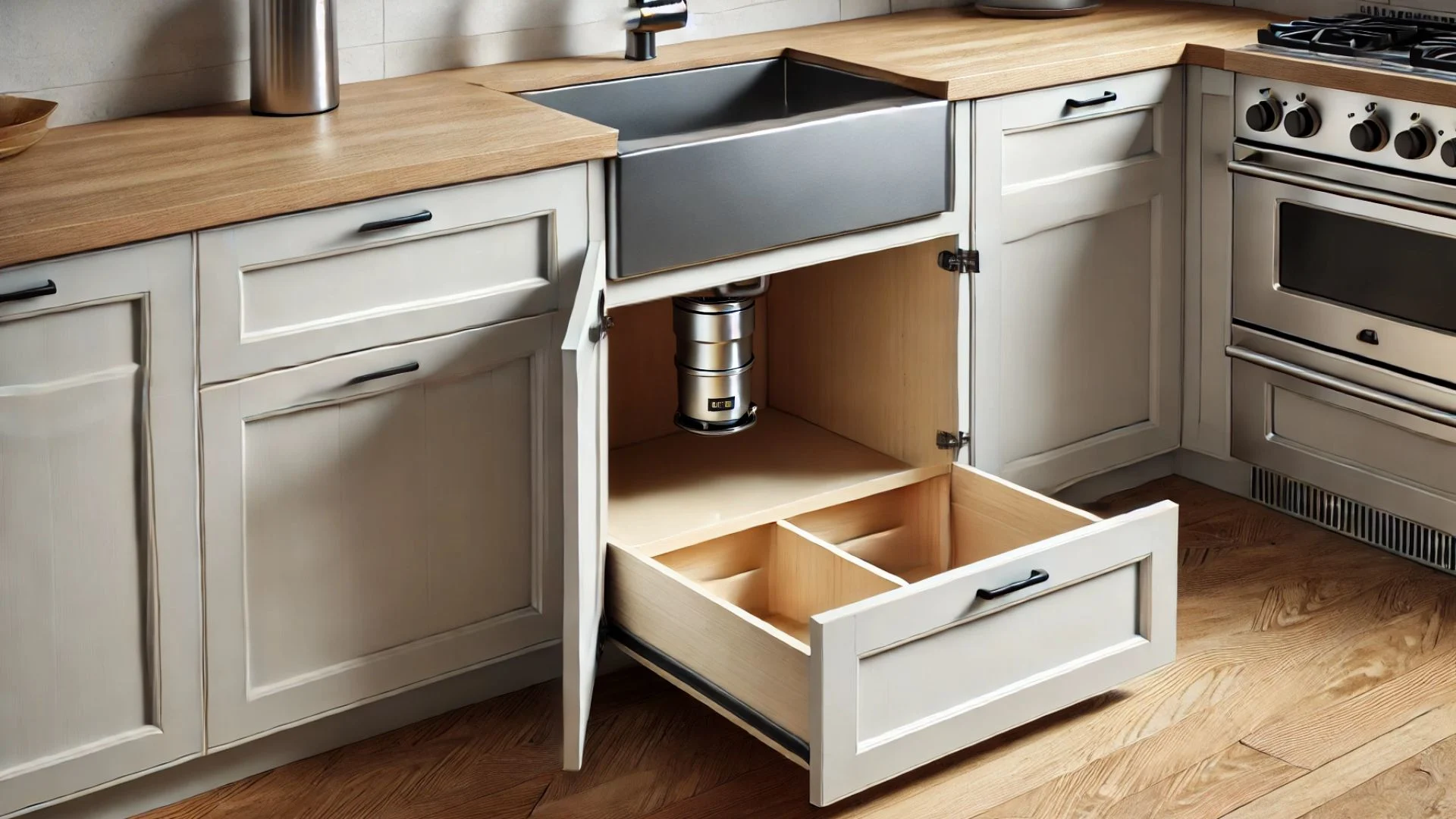
Garbage disposals are a staple in our kitchens today, simplifying the way we manage food waste and helping to keep kitchens clean. These handy appliances grind up food scraps, whisking them away down the drain with ease. With a quick flip of a switch, kitchen cleanup is faster and more efficient.
You may not spend much time thinking about it, but understanding how a garbage disposal works can help you make the most of this convenience, use it safely, and keep it running well. From what’s happening beneath the sink to a few handy maintenance tips, it’s easier than you might think to keep your garbage disposal in top shape.
KEY TAKEAWAYS
Garbage disposals make food waste disappear with a quick flick of a switch, but what actually happens beneath the sink? Inside the unit, several components work together to grind up food scraps and flush them away. Each part plays a role in breaking down waste safely and efficiently. It's easier to use and care for your garbage disposal if you know how these pieces interact with each other, reducing the chance of clogs and keeping your kitchen in top shape.
At the heart of every garbage disposal are three primary components: the grinding chamber, impellers, and motor. Together, they form a system that makes quick work of food scraps.
With these parts working together, a garbage disposal can handle most types of food waste, turning leftovers into particles small enough to be safely flushed down the drain.
The grinding process is both efficient and surprisingly safe, thanks to the design of the shredding ring and impellers. When food scraps enter the grinding chamber, they’re caught by the impellers and pushed forcefully against the shredding ring, a perforated metal ring with tiny holes. Here’s what happens step-by-step:
This process keeps food from collecting in your pipes, reducing the risk of clogs and preventing odors in the kitchen. Since the grinding system is enclosed within the unit, the risk of injury is low, as long as you avoid putting non-food items down the drain.

Taking care of a garbage disposal is straightforward with a few key habits. Knowing what can and cannot go down the drain, along with regular cleaning and maintenance, keeps your disposal running smoothly and prevents clogs or unpleasant odors. Following these simple tips can help ensure long-lasting, trouble-free use.
Garbage disposals can handle many common kitchen scraps, but not everything is safe to grind up. Here are some guidelines for what works well in a disposal and what to avoid:
Following these simple rules helps keep your garbage disposal operating without blockages or breakdowns. Also, scraping plates into the disposal before placing them in the dishwasher helps prevent large food particles from causing cleaning inefficiencies. Over-rinsing dishes can lead to a dishwasher not working effectively, as many dishwashers are designed to detect food residue to adjust cleaning cycles.
Over time, food particles can build up in the grinding chamber, leading to odors. Regular cleaning keeps the disposal fresh and prevents any unpleasant smells from escaping into the kitchen. Here are a few easy ways to clean it:
These quick cleaning methods keep the disposal fresh and prevent buildup, allowing it to operate smoothly.
With a few preventive measures, it’s easy to keep your garbage disposal working its best:
While these DIY steps are effective, it’s also important to schedule a yearly check-up to keep your disposal in top condition. A professional garbage disposal maintenance service can help identify and prevent small issues before they lead to bigger repairs, keeping your appliance in great shape for years to come.

A garbage disposal is more than a convenience—it’s a practical tool that offers environmental, time-saving, and cleanliness benefits. By quickly handling food scraps, it helps reduce kitchen waste, saves time on cleanup, and maintains a fresh, hygienic kitchen environment.
A garbage disposal can play a part in reducing landfill waste, which lowers greenhouse gas emissions. When food scraps are ground up and sent through the plumbing, they are kept out of trash bags and, ultimately, landfills, where organic waste can generate methane gas as it decomposes. Using a garbage disposal for food scraps like vegetable peels and small leftovers helps reduce the volume of kitchen waste, contributing to a more sustainable household.
With a garbage disposal, handling food scraps becomes a quick and easy task. Instead of scraping plates into the trash and worrying about spills or odors, you can simply rinse your dishes and let the disposal handle the rest. This convenience saves time in the kitchen, letting you enjoy a cleaner workspace without dealing with overflowing garbage bags full of decomposing food scraps.
Food scraps left in the trash can create unpleasant odors and attract pests. By grinding up food waste directly at the sink, a garbage disposal helps keep the kitchen smelling fresh and deters pests that might be drawn to food in the trash. In addition, the disposal helps reduce the risk of food residue sticking to pipes or causing clogs, keeping your kitchen sink and plumbing system in better condition.
Garbage disposals are built to last, but occasional issues can still arise. Knowing how to handle minor problems can help keep your disposal running smoothly, while recognizing when to call a professional can prevent more serious damage. Here are some practical troubleshooting tips and guidance on when it’s time for expert help.
Many common garbage disposal issues can be fixed with a few simple steps. Here are some troubleshooting tips you can try:
These quick DIY solutions can often resolve minor issues, helping you avoid unnecessary repairs.
While some issues are easy to fix, more serious problems often require professional assistance. Here are some signs that it may be time for expert help:
Professional help with these issues can extend the life of your disposal, save you from unnecessary repairs, and keep your kitchen running smoothly.
Trust our experienced technicians to repair your garbage disposal promptly, regardless of where you bought it.
Loading scheduler options...
Find out how much plumbers typically charge to replace a garbage disposal.

Learn how to fix a garbage disposal with expert tips from Sears Home Services.

Find expert tips for how to unclog a garbage disposal from Sears Home Services.

Learn why your garbage disposal stinks. Get expert tips on getting rid of smells and preventing them from returning.
A continuous feed garbage disposal is a kitchen appliance designed to grind up food waste while the disposal is running, allowing for a steady stream of waste to be disposed of as water runs through the unit. It's the most common type of garbage disposal due to its convenience and ease of use.
A garbage disposal is a device installed under a kitchen sink that shreds food waste into small enough pieces to pass through plumbing, facilitating an easier and more hygienic kitchen waste management process.
The drum is the core part of the washer that holds your laundry and enables the cleaning process through rotation, agitation, and rinsing.
The 608 Certification, mandated by the Environmental Protection Agency (EPA), is required for HVAC technicians to legally handle refrigerants. It ensures technicians understand refrigerant types, environmental impact, and proper handling techniques.
When your Payne central air conditioner won’t turn on or isn’t cooling, check for power problems, a failed capacitor, or a clogged condensate drain. This guide covers quick, safe troubleshooting steps and explains when to call Sears Home Services for expert central AC repair.
When your ICP central air conditioner won’t turn on or isn’t cooling, check for power problems, a failed capacitor, or a clogged condensate drain. This guide covers quick, safe troubleshooting steps and explains when to call Sears Home Services for expert central AC repair.
When your Heil central air conditioner won’t turn on or isn’t cooling, check for power problems, a failed capacitor, or a clogged condensate drain. This guide covers quick, safe troubleshooting steps and explains when to call Sears Home Services for expert central AC repair.
When your Carrier central air conditioner won’t turn on or isn’t cooling, check for power problems, a failed capacitor, or a clogged condensate drain. This guide covers quick, safe troubleshooting steps and explains when to call Sears Home Services for expert central AC repair.
When your Comfortmaker central air conditioner won’t turn on or isn’t cooling, check for power problems, a failed capacitor, or a clogged condensate drain. This guide covers quick, safe troubleshooting steps and explains when to call Sears Home Services for expert central AC repair.
When your Ruud central air conditioner won’t turn on or isn’t cooling, check for power problems, a failed capacitor, or a clogged condensate drain. This guide covers quick, safe troubleshooting steps and explains when to call Sears Home Services for expert central AC repair.